Roof repair is a critical home maintenance task that homeowners should never overlook. The roof, being one of the most important structural elements of a house, provides crucial protection against external elements. Neglecting roof repair can lead to significant damage, which might require more extensive and costly solutions such as a complete roof replacement.
Regular inspections and maintenance can protect your home’s value by extending the lifespan of your roof and preventing potential damage. Hence, understanding when to consider a roof repair is crucial to maintaining a safe and comfortable living environment.
Troubles with your roof can also impact energy efficiency in your home. A damaged roof often results in air leaks, which can cause heating or cooling systems to work harder, thereby increasing energy costs. Investing in timely roof repair enhances the energy efficiency of your home, which is not only environmentally friendly but also cost-effective. Roof repair plays a dual role by safeguarding your home and optimizing its energy performance. By addressing roof issues promptly, you save money in the long run by reducing utility bills and avoiding extensive repair costs.
Identifying Signs That Your Roof Needs Repair
Identifying early signs that indicate the need for roof repair is crucial in maintaining the health of your home. Generally, the first signs of trouble stem from weather-related damage, worn-out materials, or lack of maintenance. Water damage, in particular, can manifest through tell-tale signs like damp patches or streaks on the ceiling and walls. It’s essential to conduct regular inspections, especially after severe weather events, to look for any signs of distress. These proactive measures are instrumental in identifying and addressing issues before they escalate into more significant problems.
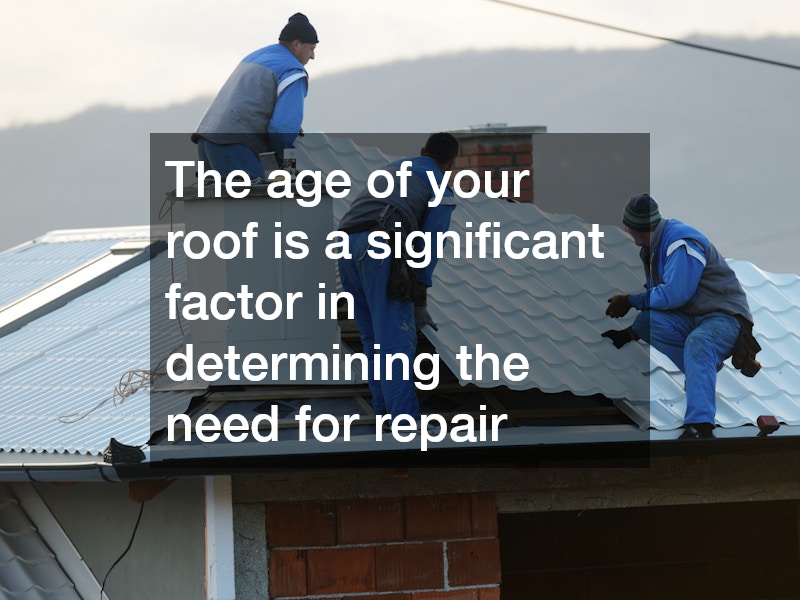
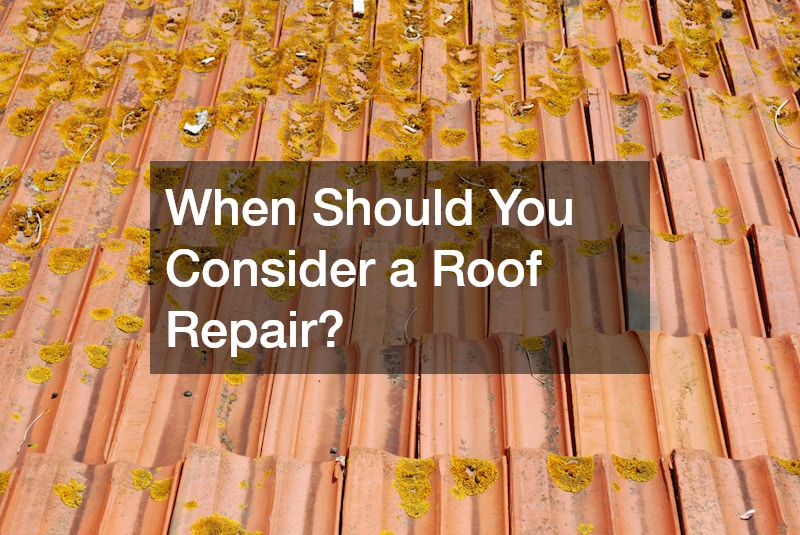
The age of your roof is a significant factor in determining the need for repair. As roofs age, they naturally deteriorate, making them more susceptible to leaks and other types of damage. Typically, roofs last between 20 to 30 years, depending on the materials used. However, factors like harsh weather conditions can accelerate wear and tear, necessitating more frequent repairs. Understanding the lifecycle of your roofing materials helps in planning for regular maintenance and eventual replacement.
Another signal that you might need a roof repair is increased difficulty in retaining indoor temperatures. An inefficient roof allows for unwanted air exchange between the inside and outside of your house, making it challenging to maintain a consistent indoor climate. This not only causes discomfort but can also inflate your energy bills, as heating and cooling systems need to work harder. Hence, when evaluating your home’s energy efficiency, consider whether your roof’s condition might be contributing to energy loss. Timely roof repairs can significantly enhance your home’s environmental comfort and energy savings.
Weather Conditions and Their Impact on Roofing
Weather plays a crucial role in the health and functionality of a roof, influencing when a roof repair might be necessary. Areas prone to harsh weather conditions such as heavy rain, snow, or extreme temperatures typically experience more frequent roofing issues. A rainy climate can lead to water pooling and leaking, while snow and ice can add excess weight and stress to the roof structure. Similarly, high winds can cause physical damage by loosening shingles or dislodging other components. Thus, understanding your local climate can help in anticipating potential roof repairs and guiding better maintenance practices.
Besides the physical impact, weather conditions can also affect the timing and urgency of roof repair. For instance, heavy rainfall seasons might necessitate immediate action to prevent leaks, whereas repairs in dry conditions might afford more flexibility. Seasonal factors should also guide your planning, as different materials and repair methodologies could be more effective in specific conditions. Homeowners can optimize their roof’s longevity by aligning the timing of maintenance and repair activities with the annual climate cycle. This strategic approach ensures safety and efficiency throughout the roof’s lifespan.
Routine Maintenance Tips for Prolonging Roof Life
Routine maintenance plays a critical role in extending the life of your roof. By implementing a regular maintenance schedule, homeowners can detect potential issues early and perform timely roof repair before they turn into costly problems. Simple tasks such as gutter cleaning and trimming overhanging tree branches can prevent water and debris build-up, reducing the risk of leaks and damage. Additionally, scheduling professional roof inspections annually or biannually helps in assessing the roof’s condition and planning necessary repairs. Such preventative strategies are vital in protecting your home investment.
Cleaning and caring for your rooftop can also prevent materials from degrading prematurely. Regular cleaning helps maintain the appearance of roofing materials, removing dirt and debris that can cause deterioration. Involving professionals in your maintenance plan ensures that all procedures are done correctly and that any underlying issues are addressed promptly. By investing in roof care early, homeowners can expect a longer roof lifespan and fewer interruptions from unexpected repairs. Moreover, a well-maintained roof enhances curb appeal, potentially increasing the property value.
Knowing when to consider a roof repair is an essential aspect of home ownership. Understanding the importance of timely repairs, identifying warning signs, and acknowledging the impact of weather conditions helps homeowners make informed decisions. Through periodic maintenance, homes remain protected, energy-efficient, and valuable assets. With the right approach to rooftop care, homeowners can enhance their property’s lifespan and avoid unnecessary stress and expense. Roof repair is not just about fixing leaks; it’s about ensuring ongoing comfort, safety, and financial well-being.