Highlights:
- Watch for symptoms in multiple places at once, such as several drains backing up, gurgling toilets, or a sewage smell. That pattern usually points to the main line rather than a single fixture.
- Protect yourself before you start. Wear heavy-duty gloves and goggles, ventilate the area, and wash up thoroughly afterward, since wastewater and sewer gas are health hazards.
- Locate your cleanout and confirm the clog is in the main line. It is your access point for most DIY fixes, and testing first saves wasted effort.
- Start with the simplest methods: a flange plunger, dish soap, and hot (not boiling) water. Baking soda and vinegar can help with light buildup but rarely clear a serious main line blockage.
- A rented sewer auger is the most effective DIY tool. Work slowly, never force a stuck cable, and note any roots or debris that come back on it.
- Skip harsh chemical drain cleaners. They can damage pipes and create hazards for anyone working on the line later. Enzyme-based cleaners are a gentler option for organic buildup and monthly maintenance.
- Call a licensed plumber if clogs keep returning, the auger cannot get past a spot, or you see signs of pipe damage like sunken lawn patches. Prevention habits like avoiding grease and flushable wipes will help keep the line clear afterward.
Few household surprises are as unpleasant as a sewer line that has stopped cooperating. One minute you are running the washing machine, and the next your shower is gurgling, your toilet is burping, and a smell is drifting up from the basement that nobody wants to investigate. It is stressful, it is messy, and it always seems to happen on a weekend when every plumber in town is booked solid or charging emergency rates.
The good news is that not every blockage calls for heavy machinery and a four-figure invoice. Plenty of clogs respond well to basic tools, a little patience, and a sensible game plan. If you have been wondering how to unclog a sewer line before picking up the phone, this guide walks through the DIY methods worth trying first, in the order that makes the most sense. You will also find the safety basics and the warning signs that tell you when to step back. Grab a pair of gloves, take a breath, and let’s figure out what is going on down there.
Signs Your Sewer Line Is Clogged
Before you start snaking anything, it helps to know whether you are really dealing with a main sewer line clog. A single slow bathroom sink is usually a local problem that a plunger or small hand auger can fix. A sewer line problem behaves differently, because every drain in your home eventually feeds into the same pipe that carries wastewater out to the street or your septic tank. When that pipe is blocked, the symptoms tend to show up in several places at once.
Here are the most common warning signs to look for:
- Multiple drains backing up at the same time, especially the tub, shower, and toilet on the lowest floor of your home
- Gurgling noises from toilets or drains whenever you run water somewhere else in the house
- Water or sewage bubbling up in a tub or shower when you flush a toilet or start the washing machine
- A persistent sewage smell in the basement, near floor drains, or around the yard
- Toilets that flush slowly or refuse to clear no matter how much you plunge
- Soggy, unusually lush, or foul-smelling patches of lawn along the path of the underground pipe
One symptom on its own deserves a close watch. Two or three at once is a strong hint that the blockage is somewhere in the main line, and that is your cue to get moving before wastewater backs up into your living space.
What Causes Sewer Line Clogs
Knowing what created the clog can help you choose the right fix and prevent a repeat performance. Most sewer line blockages come from a handful of usual suspects, and many of them are entirely avoidable.
- Grease and cooking fat: Poured down the kitchen sink as a liquid, it cools, hardens, and coats the inside of the pipe. Over time, the opening gets smaller and smaller.
- Flushable wipes and paper products: Despite the label, most wipes do not break apart the way toilet paper does. They snag on rough spots and collect other debris.
- Tree roots: Roots are drawn to the moisture and nutrients inside sewer pipes. They can sneak in through tiny cracks or loose joints, then grow into thick tangles.
- Foreign objects: Toys, cotton swabs, dental floss, and paper towels have a way of ending up where they should not.
- Damaged or aging pipes: Older clay, cast iron, and Orangeburg pipes can crack, collapse, or sag, creating low spots where waste collects.
Soft, organic clogs like grease and wipes are far more likely to respond to DIY methods than a blockage caused by a broken pipe. Roots and pipe damage are trickier, and we will get to those a bit later.
Gather Your Tools and Safety Gear First
Sewer work is not glamorous, and it is not exactly sanitary either. Wastewater carries bacteria and other nasties, so protecting yourself is step one. You do not need a truck full of equipment, but having the right basics on hand will make the job smoother and much less unpleasant.
Here is a practical checklist:
- Heavy-duty rubber gloves that extend past the wrist
- Safety goggles or a face shield to protect against splashes
- Old clothes and waterproof boots you do not mind throwing away
- A flange plunger for toilets and a standard cup plunger for sinks
- A drum-style drain auger, or a rented sewer auger made for main lines
- A large bucket, old towels, and a plastic tarp to protect your floor
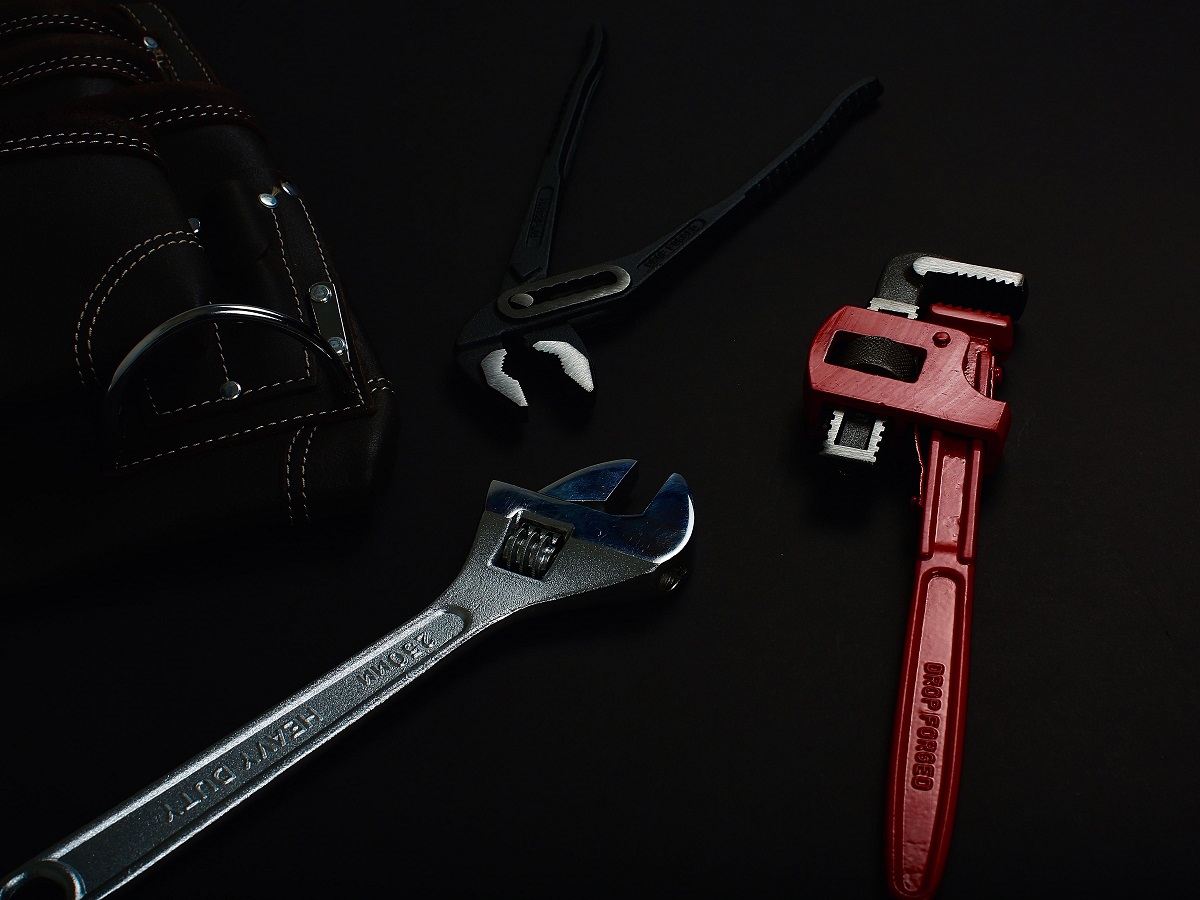
- A pipe wrench or adjustable wrench for opening the cleanout cap
- A flashlight or headlamp and heavy trash bags for cleanup
Ventilation matters too. Open a window or set up a fan, especially if you are working in a basement or crawl space. Sewer gas contains hydrogen sulfide and methane, which are unpleasant at best and hazardous at worst. If you feel dizzy, light-headed, or nauseous while working, stop immediately and get fresh air. When you finish, wash your hands thoroughly with soap and hot water, even if you wore gloves the entire time.
Confirm the Clog Is in the Main Line
It is tempting to jump right in with a snake, but a few minutes of detective work can save you an afternoon of wasted effort. The goal is to figure out whether the problem sits in one branch line, like a single bathroom, or in the main line that carries everything out of the house.
A simple way to test this:
- Run water in the fixture farthest from the main line, such as an upstairs sink, and watch how the lowest drain in the house reacts.
- Flush a toilet and see whether water rises in a basement floor drain or bathtub.
- If only one fixture is slow while everything else drains normally, the clog is probably in that fixture’s own branch line.
- If several fixtures are affected, the main line is the likely culprit.
Next, locate your sewer cleanout. This is a capped pipe, usually three or four inches wide, that gives direct access to the main line. Look for it in the basement, a crawl space, or a garage, or outside near the foundation where the sewer line exits the house. Some homes have a second cleanout near the property line. Take your time here, because that cap is your doorway for most of the methods that follow.
Loosen the cap slowly and be ready for what comes out. If you see standing water backed up in the cleanout pipe, the clog lies farther down the line. If the pipe is empty, the blockage is likely between the cleanout and the house. Either way, keep a bucket and towels ready, because a rush of wastewater is a real possibility.
Start With a Plunger and Hot Water
If the backup is mild, or you are still not sure how deep the problem goes, begin with the simplest tools you own. A good plunger can dislodge clogs sitting just past the toilet trap or near the start of a branch line, and it costs almost nothing.
Use a flange plunger, which has an extra rubber lip designed to seal inside a toilet bowl. Make sure there is enough water to cover the cup, press down gently at first to push out the trapped air, and then plunge with firm, steady strokes for about 20 seconds. Repeat several times before giving up. Patience matters more than force here, because slamming the plunger can splash contaminated water everywhere.
Hot water can help with grease-related slowdowns. Heat a large pot of water until it is steaming hot but not boiling, then pour it slowly into the toilet or drain. Boiling water can crack porcelain and warp PVC pipes and joints, so skip the rolling boil. For an extra boost, squirt a generous amount of dish soap into the bowl first and let it sit for ten to fifteen minutes. The soap lubricates the pipe and loosens greasy buildup so the hot water can push it along.
If the water level drops and the toilet flushes normally afterward, great. Just keep an eye on things for the next day or two to make sure the problem does not return. If the plunger does nothing, move on to stronger options.
Try Baking Soda and Vinegar for Light Buildup
This is the classic household remedy, and it has its fans. Baking soda and vinegar create a fizzing reaction that can loosen light residue, soap scum, and small amounts of grease from pipe walls. It is gentle, cheap, and safe for nearly every type of plumbing. To try it, pour about one cup of baking soda into the drain or toilet, slowly add two cups of white vinegar, let the mixture fizz for 30 minutes to an hour, and then flush with a pot of hot water.
Now for a dose of honesty. This method works best on minor slowdowns in individual fixtures. A main sewer line is a much bigger pipe with far more volume moving through it, so a cup of baking soda is not going to break through a serious blockage. Think of it as a maintenance trick or a first attempt on a slow drain, not a cure for a full backup. If you do not see improvement after one round, do not keep repeating it. Move on to a mechanical method.
Clear the Line With a Drain Snake or Auger
When plunging and household remedies fail, a drain auger is the most effective DIY tool you can use. It physically breaks up the clog or hooks onto it so you can pull it out. For a main line, you will want a heavier, longer cable than the little hand snake you use for sinks. Many hardware stores and tool rental shops offer sewer augers for a daily fee, and the staff can usually help you pick the right size for a three or four inch pipe.
Here is how the process generally works:
- Put on your gloves, goggles, and old clothes, and lay down the tarp and towels around the cleanout.
- Slowly unscrew the cleanout cap and let any trapped water drain into your bucket.
- Feed the auger cable into the pipe by hand until you feel resistance, rotating it as it goes.
- When you hit the clog, push forward gently while continuing to rotate. You may feel the cable break through, or it may snag on the material.
- Work the cable back and forth a few times, then slowly pull it out. Expect it to come back messy.
- Repeat until the cable moves freely through the pipe without catching.
- Run water through the system for several minutes, checking that drains empty quickly and nothing gurgles.
- Clean the auger thoroughly, replace the cleanout cap, and disinfect the work area.
A few tips can make the job easier. Never force the cable if it stops dead and will not budge, because you could damage the pipe or get the cable stuck. If you rent a powered machine, follow the rental instructions closely and keep loose sleeves and dangling items well away from the spinning cable. And if you notice bits of roots, chunks of pipe, or unfamiliar debris on the cable, that is valuable information worth sharing with a plumber later.
Consider an Enzyme-Based Cleaner for Organic Buildup
If your clog seems tied to grease, food waste, or organic matter, an enzyme or bacteria-based drain cleaner can be a useful follow-up. These products use natural enzymes to digest organic material over time rather than dissolving it instantly. They are slower than chemical cleaners, but they are much gentler on your pipes and safe for most septic systems.
Apply the product according to the label, usually by pouring it down a drain or toilet in the evening and letting it sit overnight while no water runs. Many people use enzyme cleaners after snaking the line to clear leftover residue, and then again once a month as routine maintenance.
It is worth mentioning what to avoid. Harsh chemical drain cleaners, especially those with lye or sulfuric acid, are a poor choice for sewer line problems. They can generate heat that damages pipes, they rarely reach a clog deep in the main line, and they create a serious hazard if you later have to snake through standing chemical water or a plumber has to work on the line. If you already poured some in, tell anyone who works on the pipe afterward.
Deal With Tree Root Intrusion Carefully
If your clogs keep coming back every few months, and especially if you have mature trees near your sewer line, roots may be the underlying cause. Roots find their way into pipes through tiny joints or hairline cracks and then thicken into dense mats that trap everything passing through.
Signs that roots may be involved include:
- Repeated clogs in the same location after clearing
- Older clay or cast iron pipes
- Large trees or shrubs planted above or near the sewer line
- Auger cables that return with fibrous, stringy material attached
A rented auger with a root-cutting blade can slice through minor root growth, and it is a reasonable DIY step for a small intrusion. Some hardware stores also carry foaming root control products made for sewer lines. Read the label carefully, check local regulations, and confirm the product is safe for your pipes and septic system before using it. Keep in mind that cutting roots is a temporary fix, because the tree is still there and the crack that invited it in is still open. Recurring root problems usually point toward pipe repair or replacement down the road.
Know When to Call a Plumber

DIY is great, but it has limits, and recognizing them is part of being a smart homeowner. Sewage backups can create health risks, and a badly damaged pipe can only be fixed with excavation or specialized equipment. There is no shame in seeking professional guidance for home repairs when the problem is hidden underground, involves biohazards, or keeps returning despite your best efforts.
Consider calling a licensed plumber if any of these situations apply:
- The auger stops at the same spot repeatedly and you cannot get past it
- Wastewater keeps backing up within days of clearing the line
- Sewage is pooling in your yard, or you smell it strongly outdoors
- You see cracks, sinkholes, or sunken areas in the lawn above the pipe
- Standing water fills the cleanout and does not drop after snaking
- Your home has old clay, cast iron, or Orangeburg pipes
A plumber can run a camera through the line to see exactly what is happening, which takes the guesswork out of the equation. They may also use hydro jetting, which blasts the pipe walls with high-pressure water to remove grease, scale, and roots in a way an ordinary snake cannot match. Camera inspections and jetting cost money, but they are often cheaper than digging up your yard because of a mistake you made trying to force the issue.
Keep Your Sewer Line Flowing Smoothly Going Forward
Once the line is clear, a few habits can keep it that way. Most sewer clogs are the result of small choices repeated over time, so prevention is largely about consistency rather than effort.
- Collect cooking grease in a jar or can and throw it in the trash instead of pouring it down the sink
- Flush only toilet paper and human waste, even when a package says flushable
- Use drain strainers in showers and kitchen sinks to catch hair and food scraps
- Run hot water for a minute after washing greasy dishes
- Use an enzyme-based maintenance treatment once a month
- Schedule a camera inspection every couple of years if your home is older or has large trees nearby
- Keep new trees and large shrubs well away from the sewer line path
It also helps to know where your cleanout is and to keep it accessible. Never build patios, sheds, or driveways over it. If you ever face another backup, you will be able to react quickly instead of hunting through a cluttered basement while water rises.
Final Thoughts
A clogged sewer line is a headache, but it does not automatically mean a disaster. By recognizing the warning signs early, confirming that the clog is in the main line, and working through simple methods like plunging, hot water, and a rented auger, you can often solve the problem on your own and save a good chunk of money. Enzyme cleaners and smart habits then help keep everything moving.
Just remember to protect yourself, work patiently, and respect your limits. If the blockage will not budge, keeps coming back, or points to damaged pipes, calling a licensed plumber is the smart move rather than a defeat. Either way, you now have a clear roadmap for tackling the job with confidence, so the next time your drains start gurgling, you will know exactly where to begin.