Every home develops quirks over time. A faint rattling in the vents, a small stain creeping across the ceiling, or a crack that wasn’t there last season—these issues often feel manageable at first. Many homeowners are tempted to handle them on their own, especially with the abundance of online tutorials promising quick fixes.
But here’s the reality: not every problem is what it seems on the surface. What looks like a minor inconvenience can point to a deeper issue involving safety, structural integrity, or hidden systems. Professionals bring not just tools, but trained judgment. They know how to trace symptoms back to their source, preventing repeated failures and unexpected costs.
Another important factor is time. DIY attempts often stretch into weekend-long projects that still don’t fully resolve the issue. Meanwhile, the underlying problem continues to develop. Hiring a professional early can mean the difference between a quick fix and a full-scale replacement later.
There’s also the question of liability and long-term risk. Improper repairs can void warranties, create safety hazards, or even lead to insurance complications if damage worsens. What begins as a cost-saving decision can ultimately become far more expensive.
This guide walks through common household problems that are best left to trained specialists—and how to recognize them early enough to avoid serious consequences.
Recognizing HVAC Trouble Before It Escalates
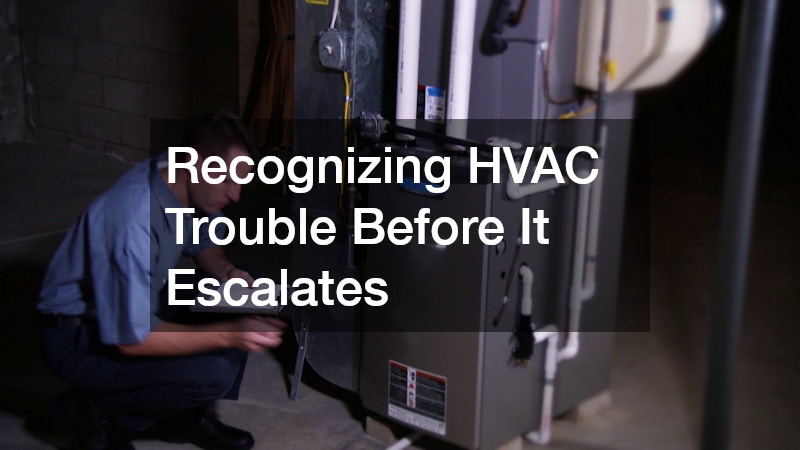
Heating and cooling systems rarely fail without warning. The challenge is that those warnings are often subtle or easy to ignore.
You might notice uneven temperatures between rooms or hear a low humming that wasn’t there before. Maybe your system runs longer than usual, or your energy bill jumps without explanation. These are early indicators that something isn’t functioning efficiently.
When it comes to heating repair, small issues like clogged filters or worn components can quickly escalate into full system breakdowns if ignored. Similarly, problems requiring AC repair often begin with reduced airflow or inconsistent cooling before turning into compressor or refrigerant issues.
A helpful way to think about HVAC problems is to treat them like a car making a strange noise. You wouldn’t wait until the engine fails—you’d investigate early.
Some signs worth paying attention to include:
- Persistent cycling on and off
- Weak airflow from vents
- Strange odors when the system runs
- Temperature fluctuations despite thermostat settings
Professionals can run diagnostic tests that go far beyond what’s visible. They measure airflow, check electrical components, and assess efficiency levels. Addressing these issues early not only restores comfort but also extends the life of the system. In many cases, routine servicing can prevent the need for emergency repairs altogether, keeping your home comfortable year-round without sudden disruptions.
Identifying Water Damage Before It Spreads
Water damage is one of the most deceptive problems in a home. It often begins quietly, hidden behind walls or beneath flooring, gradually causing damage long before it becomes obvious.
Imagine stepping onto your kitchen floor and noticing a slight warmth or dampness. It may seem harmless, but it could indicate a need for slab leak repair—a serious issue involving pipes beneath your home’s foundation.
Likewise, minor drips under a sink or slow drains can signal deeper plumbing repairs that require professional attention. Water has a way of finding paths you can’t see, weakening structures and encouraging mold growth along the way.
Instead of waiting for visible damage, pay attention to early warning signs:
- Unexplained increases in water bills
- Sounds of running water when fixtures are off
- Warped flooring or bubbling paint
- Persistent musty odors
Professionals use specialized equipment like thermal imaging and pressure testing to locate hidden leaks without unnecessary demolition. Their ability to pinpoint the exact problem saves time, money, and frustration. Addressing these issues early also helps maintain indoor air quality, as lingering moisture can lead to mold that affects respiratory health.
In homes with older plumbing systems, proactive inspections become even more important. Materials degrade over time, and what once worked reliably may now be vulnerable to failure. Early detection allows for targeted fixes instead of widespread repairs.
Addressing Structural Concerns Before They Worsen
Structural issues rarely appear overnight. They develop gradually, often influenced by weather changes, soil movement, or aging materials.
A small crack in the wall might not seem alarming, but when doors start sticking or floors become uneven, it’s time to take a closer look. These are common indicators that foundation repair may be necessary.
On the exterior, damaged surfaces can also signal deeper concerns. A failing stucco repair service is often needed when cracks, discoloration, or moisture intrusion appear on walls. These issues aren’t just cosmetic—they can expose underlying materials to further damage.
Rather than focusing solely on what’s visible, professionals evaluate how different parts of the home interact. They consider drainage, soil conditions, and load distribution to determine the root cause.
Here’s a simple way to approach structural concerns:
- Observe changes over time rather than isolated incidents
- Document cracks or shifts with photos
- Avoid temporary fixes like patching without investigation
- Consult a specialist when patterns emerge
Early intervention is key. Structural problems become exponentially more expensive the longer they are left unresolved. In addition, addressing these issues promptly can help preserve property value, which is especially important if you plan to sell your home in the future.
Repairing Carpet Damage Beyond Surface Cleaning

Carpet damage has a way of standing out. A burn mark from a dropped iron or a tear from moving furniture can disrupt the entire look of a room.
At first glance, it might seem like a simple cosmetic issue. Many homeowners try to patch or trim damaged areas themselves, only to make the problem more noticeable.
This is where local carpet repair services come into play. Professionals have techniques that allow them to blend repairs seamlessly with the surrounding material. They can stretch, patch, or reweave sections in a way that preserves the carpet’s overall appearance.
A common scenario involves rippling or buckling carpets. While it might look like a minor inconvenience, it can actually create tripping hazards and indicate improper installation or wear.
Instead of replacing the entire carpet, a professional can:
- Re-stretch loose sections
- Replace damaged fibers with matching material
- Repair seams and edges
The result is not just a cleaner look, but a safer and longer-lasting surface. Investing in proper repair can also extend the life of your carpet by several years, delaying the need for full replacement.
Managing Pool Issues That Require Technical Expertise
Owning a pool adds comfort and enjoyment, but it also introduces a complex system of pumps, filters, and chemical balances.
When something goes wrong, it’s rarely just one component. Cloudy water, for example, might seem like a simple cleaning issue, but it could stem from filtration problems, chemical imbalances, or even hidden leaks.
A reliable pool repair service can diagnose these interconnected issues. They understand how each part of the system affects the others, ensuring that repairs address the root cause rather than temporary symptoms.
Consider a situation where the pool pump starts making noise. Ignoring it could lead to complete failure, affecting circulation and water quality. Addressing it early prevents larger, more expensive repairs.
Routine maintenance helps, but when problems arise, professional intervention ensures safety and efficiency—especially when electrical components are involved. Proper care also enhances the overall swimming experience, keeping water clean, balanced, and ready for use.
Seasonal changes can also impact pool systems. Shifts in temperature, debris accumulation, and changing usage patterns all affect performance. Regular check-ins with a professional can help keep everything running smoothly year-round.
Fixing Hot Tub Problems Safely and Effectively
Hot tubs combine water, heat, and electricity—three elements that demand careful handling.
When something goes wrong, such as fluctuating temperatures or malfunctioning jets, it’s tempting to troubleshoot independently. However, many issues tied to hot tub repair involve electrical systems or pressurized components that require specialized knowledge.
For example, a heater that isn’t maintaining temperature might not be faulty itself. The issue could lie in sensors, wiring, or circulation systems.
Professionals approach these problems methodically:
- Inspecting electrical connections
- Testing water flow and pressure
- Evaluating heating elements
Beyond fixing the immediate issue, they ensure that the system operates safely moving forward. This is particularly important for preventing electrical hazards. Regular inspections also help identify wear and tear before it leads to unexpected breakdowns, ensuring consistent performance.
Over time, even well-maintained hot tubs develop minor inefficiencies. Addressing these early helps avoid larger disruptions and keeps the system running comfortably and reliably.
Restoring Window Treatments Without Causing Further Damage
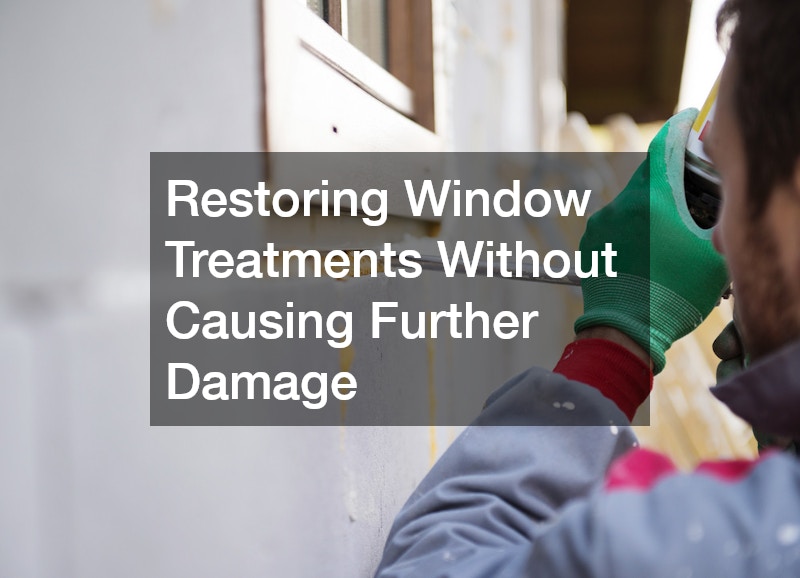
Window treatments are often overlooked until they stop functioning properly. A stuck, blind, or tangled cord can quickly become frustrating, especially when it affects privacy or light control.
While it might seem simple to fix, many mechanisms inside blinds are delicate. Attempting a quick repair can lead to further damage or even render them unusable.
Professionals specializing in window blind repair understand how different systems work, from traditional corded designs to modern motorized options.
Instead of forcing components back into place, they:
- Replace worn or broken parts
- Realign internal mechanisms
- Ensure smooth, safe operation
In many cases, repair is more cost-effective than replacement—especially for custom or high-quality blinds. Maintaining functional window treatments also contributes to energy efficiency by improving insulation and light control.
Small adjustments made by professionals can restore full functionality, often making the blinds feel like new without the expense of replacement.
Preventing Escalating Costs From Delayed Repairs
One of the most expensive mistakes homeowners make is waiting too long to address small problems.
A minor leak might seem manageable, but over time, it can lead to extensive plumbing repairs, water damage, and mold growth. Similarly, ignoring small cracks can result in significant foundation repair costs down the line.
The pattern is consistent: small issues compound over time. What could have been a straightforward fix becomes a major project involving multiple systems.
Think of it like this:
- A slow drip becomes structural damage
- A small crack becomes a shifting foundation
- A minor inefficiency becomes a system failure
Acting early doesn’t just save money—it reduces disruption to your daily life. It also allows you to plan repairs on your schedule instead of reacting to emergencies that demand immediate attention.
There’s also peace of mind in knowing your home is stable and secure. Staying proactive eliminates the stress of unexpected breakdowns and costly surprises.
Choosing Skilled Professionals for Reliable Results
Finding the right professional can feel overwhelming, especially when multiple options are available.
Instead of focusing solely on price, consider the overall value. A reputable stucco repair service, for example, will assess underlying issues rather than simply patching visible damage. Similarly, experienced local carpet repair services prioritize seamless results over quick fixes.
When evaluating professionals, it helps to:
- Check licensing and certifications
- Read detailed customer reviews
- Ask about warranties or guarantees
- Request a clear explanation of the repair process
A good professional doesn’t just fix the problem—they help you understand it. This transparency builds trust and ensures that repairs are done correctly the first time. Establishing relationships with reliable contractors can also make future maintenance easier and more efficient.
Working with trusted professionals over time creates consistency. They become familiar with your home’s systems, making future diagnostics faster and more accurate.
Building a Preventive Maintenance Routine for Your Home

Preventive maintenance is less about reacting to problems and more about staying ahead of them.
By scheduling regular inspections, you can catch issues early—before they require extensive heating repair or emergency calls to a pool repair service.
A practical approach includes:
- Seasonal HVAC checkups before peak usage
- Routine inspections of plumbing and structural elements
- Regular cleaning and servicing of pool systems
Creating a simple maintenance calendar can make a significant difference. Instead of scrambling to fix problems, you’re managing your home proactively.
You might set reminders at the start of each season to inspect key systems or schedule professional evaluations annually. Over time, this routine becomes second nature, helping you maintain consistency without feeling overwhelmed.
This approach not only reduces stress but also helps preserve the value and functionality of your home over time. It also allows you to budget more effectively, spreading out maintenance costs rather than facing large, unexpected expenses.
Protecting Your Home Through Smart Repair Decisions
Every home requires care, but not every repair should be handled alone. Recognizing when to call in a professional is one of the most important skills a homeowner can develop.
The goal isn’t just to fix what’s broken—it’s to understand how different systems interact and how small issues can signal larger concerns. By addressing problems early and relying on skilled experts when needed, you create a safer, more efficient living environment.
In the end, thoughtful repair decisions aren’t just about maintenance—they’re about protecting your investment and ensuring your home remains a place of comfort and stability for years to come.